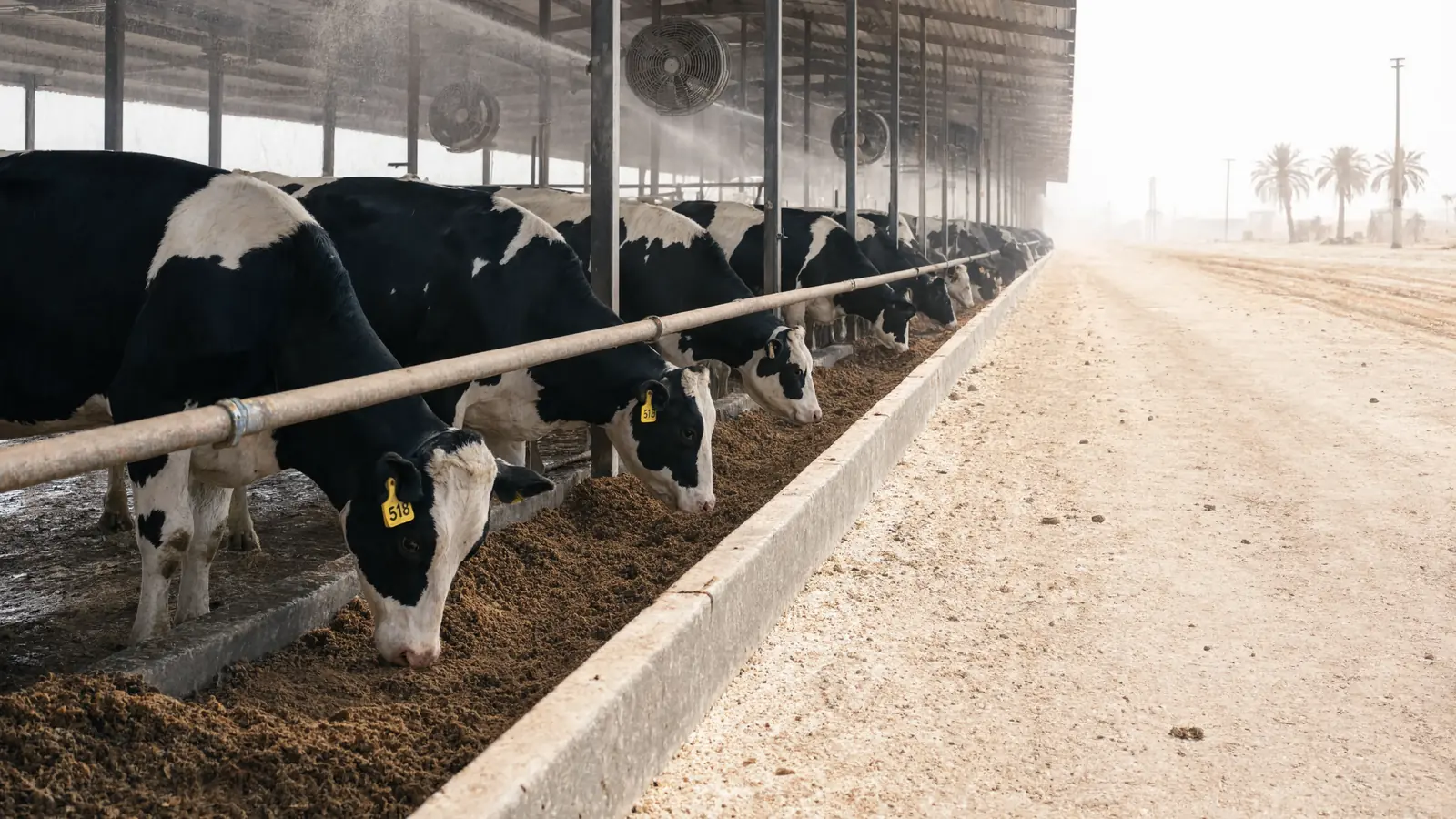
Here is the whole problem in one sentence: the cow eats less exactly when she needs more. Everything else in this article is a consequence of that sentence. A high-yield cow in a Gulf July is carrying a metabolic furnace she cannot switch off — lactation itself generates heat — and her only voluntary lever is to stop eating. She pulls that lever. Intake falls, and it falls first, before the milk does, before the body condition does, before anything shows up on a report.
So when a nutritionist talks about a summer ration, they are not talking about a different recipe. They are talking about the same nutrient requirement squeezed into a smaller number of kilograms of dry matter. That is a harder problem than it sounds, because most of the obvious ways to make a ration denser also make it riskier — and the rumen in August is already less forgiving than the rumen in February. This article is about how to work that trade-off on a Gulf farm specifically, and about the point where feed stops being the answer.
Heat stress is an intake problem before it is anything else
A cow gets rid of heat in a limited number of ways, and every one of them is compromised here. She cannot sweat like a horse. She cannot pant efficiently for weeks on end. What she can do — cheaply, immediately, and without asking anyone — is reduce the amount of feed she ferments, because fermentation is a heat-producing process happening inside a 700-kilogram insulated container. Eating less is not a symptom of heat stress. It is the cow's own thermoregulatory strategy, and it works. It just costs you the lactation.
Read that again before you buy an additive. The intake drop is not a malfunction to be corrected with a palatability enhancer. It is a rational response to a thermal load, and the durable fix is to reduce the thermal load. Feed can only optimise around what the cooling system leaves behind.
What happens in the rumen while she stops eating
The intake drop is the headline, but the rumen story underneath it is what actually bills you. Three things go wrong at once, and they compound.
First, rumination collapses. A heat-stressed cow chews her cud less and stands more — standing is a heat-dissipation behaviour, and a standing cow is not a ruminating cow. Less rumination means less saliva, and bovine saliva is the rumen's primary buffer. She is producing less bicarbonate at the exact moment she needs it most.
Second, panting changes her blood chemistry. Rapid shallow breathing blows off carbon dioxide, which pushes her toward respiratory alkalosis. The kidney compensates the only way it knows how — by dumping bicarbonate in the urine. She is now losing buffer through two channels while producing less of it. This is the mechanism most summer advice skips, and it is the one that explains everything else.
Third, she changes how she eats. Instead of steady meals through the day, she slug-feeds: she waits out the heat and then attacks the bunk in the cool hours, dropping a large load of fermentable carbohydrate into a rumen that is short on buffer and short on rumination. That is a recipe for sub-acute ruminal acidosis. And here is the part worth pinning to the office wall — SARA rises in summer even when the ration on paper did not change. You did not do anything wrong to the formula. The cow changed how she consumed it.
Why the Gulf is not just "a hot version of everywhere else"
Most heat stress literature was written in temperate dairy regions, and it quietly assumes three things that are not true here. It assumes the heat is an event. It assumes the night brings recovery. And it assumes evaporation works. On a Gulf farm, all three assumptions fail, and they fail in ways that change the advice.
Humidity is the variable temperate advice underestimates
This is the single most important regional point, so let me be blunt about it. Every evaporative cooling method — the cow's own panting, your soakers, your fogging line, your evaporative pads — depends on water turning into vapour, and water turns into vapour more slowly as the air gets wetter. So humidity does not merely add to the heat load. It disables the machinery you were counting on to remove it.
Which means a coastal farm in Abu Dhabi, Umm Al Quwain, Qatar, Bahrain, Kuwait or Saudi Arabia's Eastern Province is facing a genuinely different problem from an inland farm at Al Kharj or in the interior of Oman — not a milder or harsher version of the same problem, a different one. Inland, the air is brutally hot but dry, and evaporative cooling works well; pads and soakers earn their keep. On the coast, a lower thermometer reading can mean a worse cow, because the humidity has closed the evaporative door. I have walked farms forty minutes apart where the coastal herd was visibly more distressed at a lower air temperature. If you manage both, do not run them off one protocol.
The night does not reset her
A cow can tolerate a hard day if the night lets her dump the heat she accumulated. That is the mechanism behind most temperate recommendations, and it is why a European heatwave is survivable. In a Gulf summer — particularly on the coast, where the sea moderates the night downward far less than the desert does — the night frequently does not fall far enough or dry out enough to let her unload. She starts each day with yesterday's heat still on the books. The debt compounds across weeks.
It is a season, not a heatwave
This is the framing that changes budgets. A temperate farm manages a heat event: two weeks, an emergency protocol, back to normal. Here the load typically runs from around May into September — roughly five months, close to half the year, and long enough that your dry cows, your transition pen, your breeding programme and your heifers all live through it. You are not writing an emergency plan. You are writing a second annual ration and running it for a third of every lactation on the farm. Budget it as infrastructure, not as a contingency.
Fix the cooling before you touch the ration
We sell feed. So take this in the spirit it is offered: nutrition cannot out-run bad cooling, and if your cooling is bad, buying a better ration is the most expensive way to not solve your problem.
Shade over every square metre the cows use, including the feed bunk and the holding pen — the holding pen before milking is often the hottest place on the farm and the one nobody looks at. Air movement over the cow. Soakers that actually wet the skin rather than mist the hair coat, cycled so the water evaporates before it is reapplied. Working fans, meaning fans someone cleans, because a fan blade carrying a season of dust in this climate is moving a fraction of the air it was specified to move. None of that is nutrition, and all of it comes first.
If you have a fixed budget this month and the choice is between a rumen-buffer upgrade and repairing the soaker line over the bunk, repair the soaker line. That is not modesty, it is arithmetic — the cooling intervention protects intake, and intake is the constraint every nutritional response in this article is trying to work around. The ration optimises around the cooling. It does not substitute for it. Once the cooling line is doing its job, everything below becomes worth paying for. Before that, it mostly is not.
Rebuilding the ration around a smaller cow appetite
Now the nutrition. Every response below follows from the opening sentence — intake is the constraint — and every one of them has a limit that gets ignored when someone is panicking in July.
Raise density, not volume
The instinct is to push more feed at her. It does not work — she is not leaving feed because there is not enough of it. Since she will eat fewer kilograms of dry matter, each kilogram has to carry more energy, more protein and more minerals. That is the whole strategy in one line. But density has a hard ceiling, and the ceiling is the rumen: you make a ration denser mainly by adding starch and removing fibre, and a summer rumen with less buffer and less rumination is precisely the rumen you should not be pushing starch into. Density and rumen safety pull against each other. Everything else in this section is an attempt to buy density without paying for it in acidosis.
Feed when it is cool — the cheapest thing on this list
The cow has already told you when she wants to eat. Watch a bunk at 2 p.m. in August and then at 4 a.m., and you will see her opinion clearly. Work with it: push the majority of the day's delivery into the cool hours — late evening, night, early morning — rather than fighting for intake at midday when she has no interest and the feed is cooking anyway.
This is the most underused intervention in the region and it is close to free. It needs no capital, no additive and no reformulation — it needs a labour schedule and someone willing to change it. That last part is why it does not happen. Two caveats, both real. Concentrating delivery into fewer windows encourages exactly the slug-feeding that drives SARA, so more frequent smaller pushes beat one enormous night feed. And feed sitting in a bunk through a Gulf afternoon is a spoilage problem, which is its own section below.
Forage quality stops being negotiable
Here is the mechanism, and it is worth understanding rather than taking on faith. Fibre is fermented slowly by rumen microbes, and that fermentation produces heat — the heat of fermentation, generated inside the cow, adding to the load she is already failing to shed. Poorly digestible fibre sits longer, ferments less efficiently per unit of energy released, and produces more heat for less useful output. Highly digestible forage produces less heat per unit of energy delivered, and it clears the rumen faster, which leaves room for the next meal. In a temperate winter this is a rounding error. In a Gulf August it is the difference between a cow who eats and a cow who does not.
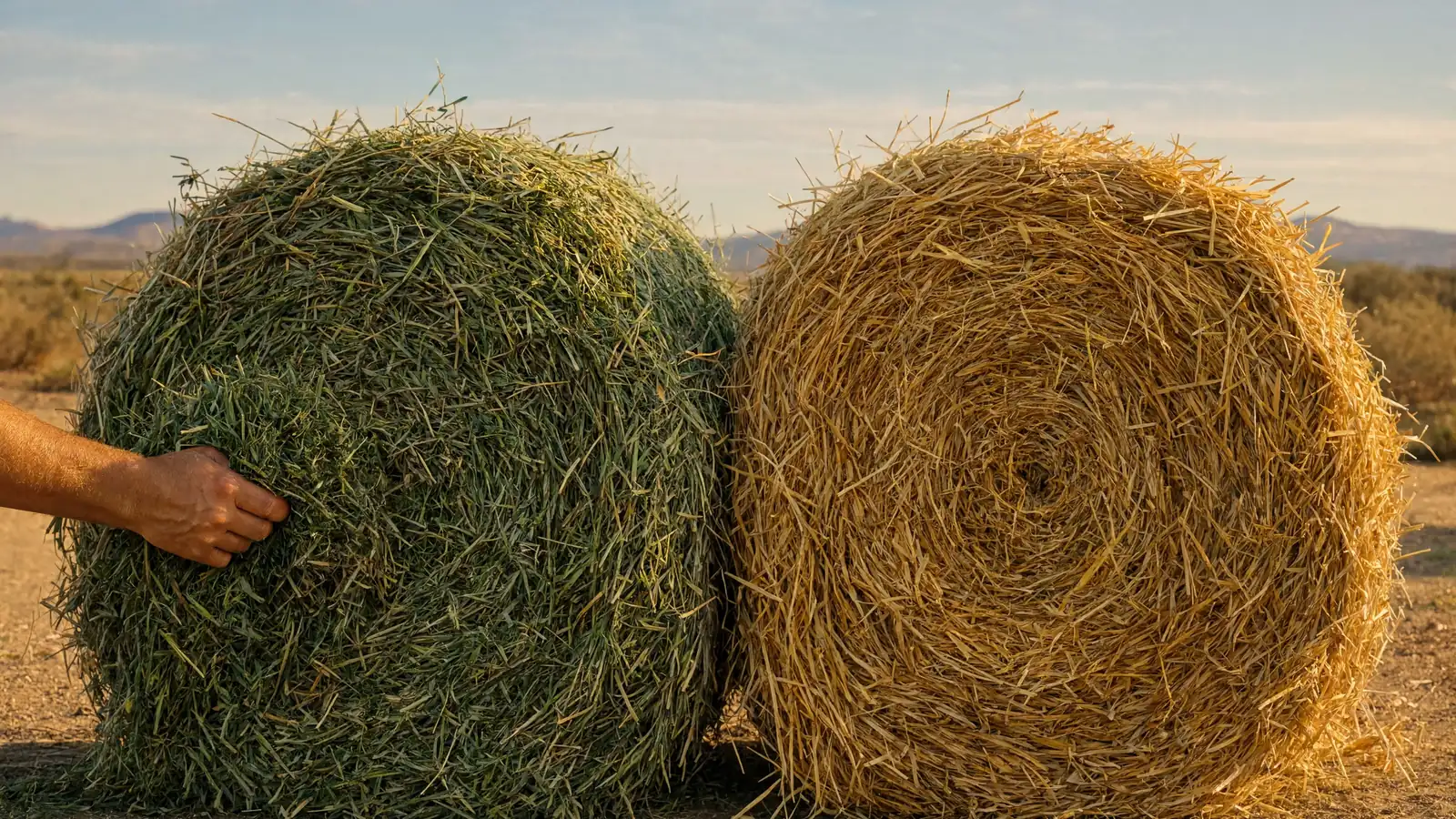
So let me make the argument for premium alfalfa honestly, since we sell it. A cheap, stemmy, over-mature bale and a leafy well-made bale can look similar on a crude protein line and behave nothing alike in the rumen — maturity at cutting, leaf retention and fibre digestibility diverge long before the protein number does. In summer you are buying digestibility, not protein, and the price gap between a cheap bale and a good one is defensible only if the good bale is genuinely more digestible. Sometimes it is not — a premium price tag is not a premium analysis. The imported forage economics in this region are unforgiving enough that this deserves a real answer: get the analysis, compare on fibre digestibility and not on the label, and if a supplier cannot tell you the cut and the maturity, you are buying a story. When the difference is real, summer is the season it pays for itself, because it buys you density and cool energy in the same kilogram.
Fat: cool energy, and a scalpel not a shovel
Fat is the one genuinely elegant tool in the summer box. It carries more energy per kilogram than anything else you can add, and — this is the point — it is absorbed rather than fermented, so it delivers that energy with a lower heat increment than the fermentable carbohydrate it replaces. Denser ration, less internal heat, no extra starch load on a rumen that cannot take one. That is a rare combination.
And it has a hard ceiling, which is why I called it a scalpel. Push total dietary fat too far and unsaturated fat coats fibre particles and disrupts the fibre-digesting microbes — you damage the rumen function you were protecting. Push further and you get milk fat depression, which is a real cost on a milk cheque paid on components, and one that looks exactly like the heat-stress milk fat drop you are trying to fix. There is no single safe inclusion number that travels across herds and base rations, and anyone who gives you one across a phone line is guessing. Total fat is a whole-diet calculation, not an ingredient decision: the ceiling counts the fat already in your grains, your by-products and your forage, not just the fat you deliberately added.
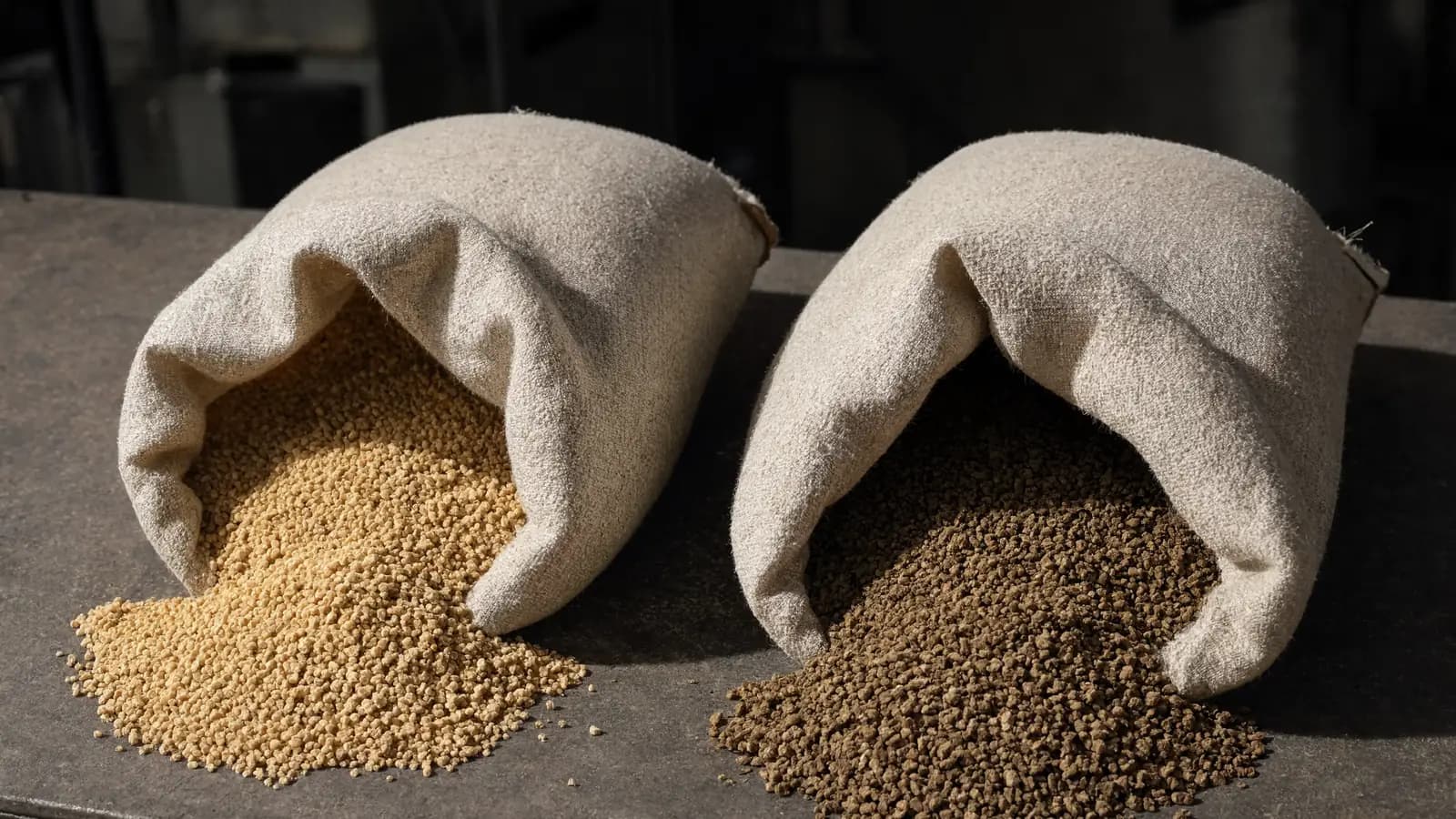
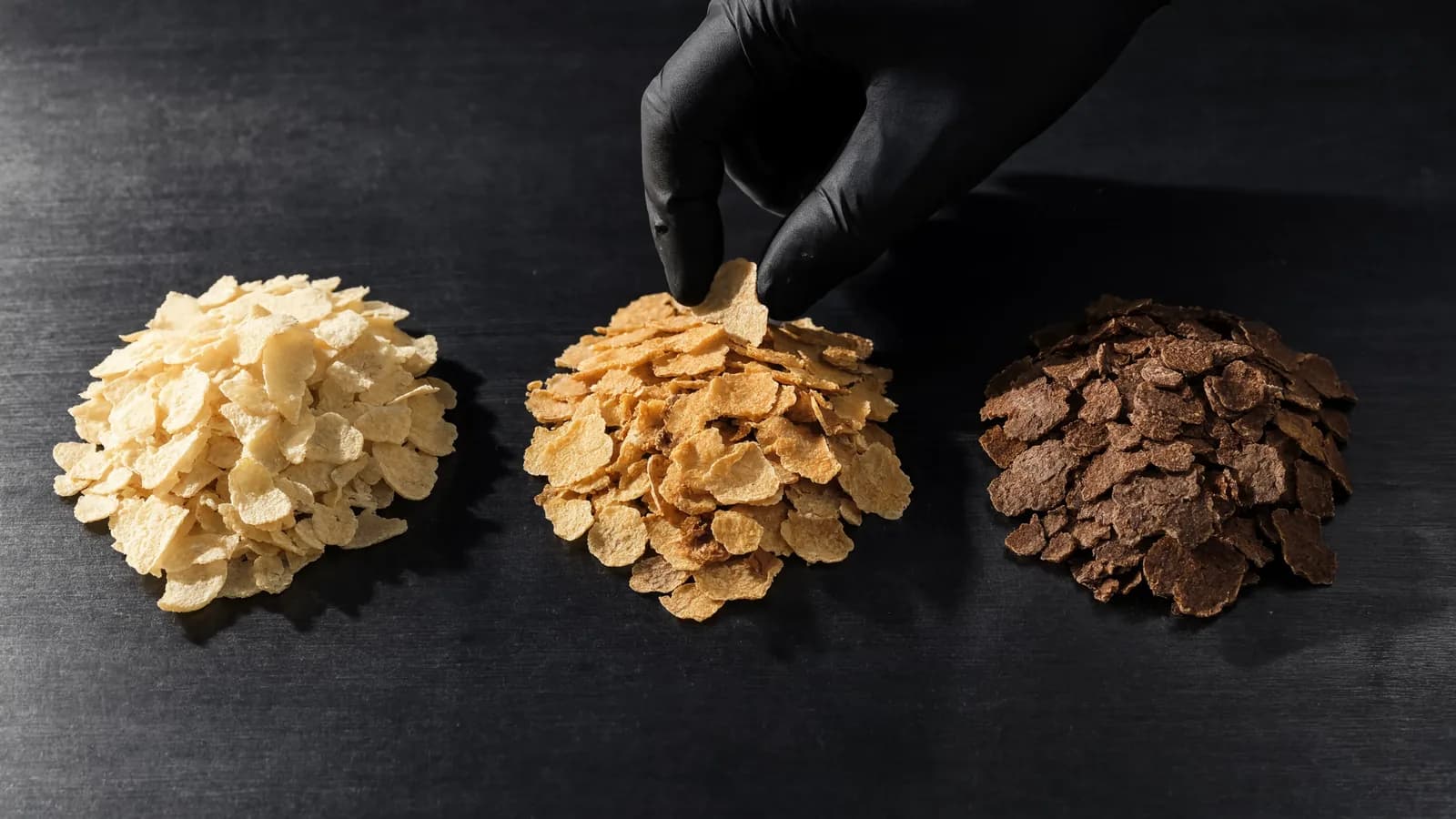
Flaked full-fat soybean is a reasonable way to buy some of that fat, because it brings amino acids and native soybean oil in the same ingredient — useful when every kilogram of dry matter has to do two jobs. Be honest about its limits, though. Its quality hangs entirely on correct heat processing, and that window is narrow: underprocessed leaves excessive trypsin inhibitor activity, overprocessed damages lysine and lowers protein digestibility, and you cannot see either failure in a crude protein and fat analysis. Its oil is highly unsaturated, so it counts hard against your rumen fat ceiling and it carries an oxidation risk that a Gulf warehouse does nothing to help. It replaces defined portions of soybean meal plus added oil only after the complete diet is recalculated on digestible amino acids, metabolisable energy and total fat. Get the COA, check the trypsin inhibitor activity and oil oxidation status, and let your nutritionist set the number.
Minerals and electrolytes
She is losing minerals through channels that barely exist in winter. Sweating costs her potassium in particular, along with sodium; panting and the compensatory bicarbonate dump in the urine move the electrolyte balance again; and magnesium matters more when potassium intake climbs, because they interact at absorption. So summer supplementation is not a scaled-up winter programme — the losses have a different shape.
Which brings up DCAD, and a distinction people muddle constantly. Summer DCAD in a lactating cow is a different conversation from dry-cow DCAD, and they point in opposite directions. In the dry cow you are usually driving DCAD down deliberately, as part of transition management. In the heat-stressed lactating cow, raising DCAD is generally the direction of travel, supporting the buffering she is losing. Same three letters, opposite intent, different pen. Get those two mixed up and you will do real damage — this is a formulation decision for your nutritionist with your water analysis and your forage analysis in front of them, not a rule of thumb.
Free-choice mineral blocks have a place alongside what is already in the TMR, not instead of it. Their strength is that they let individual cows top up according to their own appetite, and a heat-stressed cow's salt appetite is a genuinely useful signal. Their weakness is that free choice means uncontrolled intake: the boss cow monopolises the block, the shy heifer never gets near it, and you cannot report an intake you did not measure. Site blocks near water and shade where cows congregate, put out more than you think you need so a single animal cannot own one, and treat the blocks as a supplement to a formulated mineral programme rather than as the programme.
Buffers and rumen stability
Given everything in the first section — less saliva, bicarbonate lost in the urine, slug-feeding — supplemental buffering in a summer lactating ration is one of the better-founded interventions on this list, and it is the one whose mechanism is easiest to defend. But a buffer is a support, not a licence. It does not authorise a starch level the rumen could not otherwise handle, and if you use it to fund a denser ration you have spent the safety margin you just bought. Keep effective fibre in the diet, keep the physical form of the TMR right so she cannot sort out the long fibre and leave it, and use the buffer to hold the line rather than to move it.
The table below summarises the five levers, what each is reasonably expected to do, and the limit that gets forgotten. Read the third column first.
| Intervention | What it is expected to do | The limit nobody mentions |
|---|---|---|
| Cooling: shade, fans, soakers | Protects intake directly — the only lever that attacks the cause | Not nutrition, and loses efficiency as coastal humidity rises. Do it anyway; it still comes first |
| Higher nutrient density | Delivers the requirement in fewer kilograms of dry matter | Usually means more starch, less fibre — into a rumen with less buffer. Density is capped by acidosis risk |
| Shift feeding to the cool hours | Recovers intake at low cost — cheapest lever here | Fewer, larger meals encourage slug-feeding and SARA. Split the pushes; manage the bunk |
| Highly digestible forage | Less heat of fermentation per unit of energy; clears the rumen faster | A premium price is not a premium analysis. Verify digestibility and maturity, not the label |
| Added fat as cool energy | Energy density with a lower heat increment than fermentable carbohydrate | Hard whole-diet ceiling: fibre digestion and milk fat depression. A scalpel, not a shovel |
| Minerals, electrolytes, buffers | Replaces sweat and panting losses; supports the buffering she is losing | Summer DCAD is not dry-cow DCAD — opposite direction. Free-choice intake is uncontrolled by definition |
Water: the most important nutrient and the one nobody audits
I have watched farms spend serious money on a summer additive programme while their cows drank hot water out of a dirty trough. If you are going to ignore most of this article, do not ignore this section. Water intake rises steeply in the heat, milk is mostly water, and a cow who does not drink enough will not eat enough — dry matter intake and water intake are welded together. Water is the cheapest nutrient on the farm and the only one you can fix this week.
Now the Gulf-specific part, and it is genuinely under-appreciated. Water sitting in an above-ground pipe or an uncovered trough under this sun does not arrive cool — it arrives hot. Sometimes unpleasantly hot. And a cow will not drink enough hot water. She will drink some, decide she is done, and walk away still short, and you will never see it because the trough was full every time you looked. A full trough is not evidence of adequate drinking. Bury the line, lag it, shade the trough, or accept that you are serving her a hot drink in August and wondering why intake is down.
Audit the water the way you would audit a feed ingredient. Walk the yard and check every item on this list — most of them cost nothing but attention.
- Trough space per cow. Cows drink socially and in a rush after milking, all at once. Space that is adequate at 10 a.m. can be a queue at the one moment she most wants to drink — and the timid animals lose that queue every day.
- Flow rate and recovery. A trough that empties after milking and refills slowly is a trough that failed at the only moment that mattered. Watch it during the rush, not during your inspection.
- Water temperature at the trough, not at the source. Measure it in the afternoon. This is the number that surprises people.
- Cleanliness. Warm water plus feed residue plus sun grows algae and biofilm fast here. A cow's refusal to drink from a fouled trough is fastidiousness you are paying for in milk. Scrub on a schedule, not when it looks bad.
- Salinity and mineral load. Much of the region runs on desalinated, brackish or blended groundwater, and the mineral content of that water is part of the ration whether or not anyone wrote it down. Get a water analysis and give it to your nutritionist before the DCAD conversation, not after.
The ration you formulated is not the ration she ate
This is a feed-quality problem masquerading as a nutrition problem, and in this climate it is severe enough to undo good formulation without anyone noticing. A TMR is moist, warm and full of fermentable substrate — an excellent growth medium. Deliver it into 45-degree ambient air and yeasts and moulds go to work immediately. Secondary fermentation heats the mix further, burns off the very energy you paid for, and produces off-flavours that a cow detects long before you do. In a temperate climate this takes a day. Here it can take hours.
So the cow refuses feed, and the farm concludes she is heat stressed and off her feed. She may simply be declining a spoiled meal. Those two look identical from the office and are fixed by completely different things. Put your hand deep into the bunk in the afternoon — if it is warm, you have found money you are burning. Feed-out rate matters more here than anywhere: mix and deliver what will actually be eaten in the window, push up frequently, and clean the bunk out properly rather than laying fresh feed on top of yesterday's fermenting residue, which inoculates every new load with the spoilage organisms from the last one.
Stored forage carries the other half of the risk, and the coastal humid months are when it bites. Moulds need moisture and warmth, and a coastal shed in August supplies both generously — a bale that was clean when the container was opened at Jebel Ali can deteriorate in a shed over a season. Mycotoxins do not announce themselves; they show up as vague underperformance you will blame on the heat. Store off the ground and away from walls, keep the shed ventilated, inspect what you actually feed rather than what is on the invoice, and rotate genuinely rather than nominally.
What to measure, in the order it tells you something
Summer management is a measurement discipline. These are listed roughly in the order they move, which is also the order in which they are still useful — by the time the last one arrives, the season is over and you are only reading the bill.
- Dry matter intake, per pen, daily. This is the constraint, so it is the primary measurement — everything else is downstream. Weigh what goes in and what comes back. A farm that does not weigh refusals does not know its DMI, it estimates it, and estimates get optimistic in a bad week.
- Rumination, if you have collars. This is the closest thing to a real-time heat stress alarm, and it moves before the milk does. A pen-level rumination drop in the afternoon is a cooling problem telling you where and when it happens — which is information a monthly milk record can never give you.
- Milk yield and components — watch the fat. Milk fat is your early warning for the rumen, because it falls when fibre digestion and rumen pH are under pressure. A fat percentage sliding in June with no change to the formula is the SARA mechanism from the first section, visible on a report. Do not wait for yield to fall to act; yield is the slower signal.
- Body condition, scored by the same person. She is running an energy deficit she cannot eat her way out of, and she funds it from her back. Condition loss across the summer is a bill that comes due at the next calving, which is why it deserves a score rather than an impression. Consistency of scorer matters more than the scale.
- Conception rate — the lagging indicator that summer bills you for in autumn. This is the expensive one and the one nobody feels in July. Heat stress suppresses fertility during the summer, and the empty cows and the stretched calving interval land on your books months later, long after the weather changed and everyone stopped talking about it. When you are weighing the cost of a cooling upgrade, this is the number that usually justifies it — not the milk.
Frequently asked questions
Why does milk fat drop in summer when I have not changed the ration?
Because the cow changed how she eats it. Heat-stressed cows ruminate less, which means less saliva and less natural buffering, and panting drives a compensatory loss of bicarbonate in the urine. Meanwhile she waits out the heat and slug-feeds in the cool hours, dropping a large acid load into a poorly buffered rumen. Less buffer, more acid per meal, same formula on paper — and milk fat is the first thing that shows it.
Is heat stress worse on the coast or inland in the Gulf?
They are different problems, not degrees of one. Inland sites such as Al Kharj see extreme dry heat, where evaporative cooling — pads, soakers, the cow's own panting — works well. Coastal sites in the UAE, Qatar, Bahrain, Kuwait and Saudi Arabia's Eastern Province combine heat with humidity, and humidity reduces evaporative efficiency, so a lower thermometer reading can still mean a more distressed cow. Nights also recover less on the coast. Do not run both sites off one protocol.
Should I just add more fat to fix summer energy?
Fat is genuinely useful here — it is absorbed rather than fermented, so it adds energy density with a lower heat increment than the carbohydrate it replaces. But total dietary fat has a hard ceiling. Too much unsaturated fat disrupts fibre-digesting rumen microbes and can trigger milk fat depression, which costs you on a components-based milk cheque. The ceiling counts the fat already in your grains, by-products and forage, not just what you added. Treat it as a whole-diet calculation and verify the level with your nutritionist.
Is summer DCAD the same as dry-cow DCAD?
No, and confusing them causes real damage. They are two different conversations pointing in opposite directions. In the dry cow, DCAD is typically driven down deliberately as part of transition management. In the heat-stressed lactating cow, the direction of travel is generally upward, supporting the buffering capacity she is losing through reduced rumination and urinary bicarbonate excretion. Same three letters, opposite intent, different pen. It is a formulation decision for your nutritionist, made with your water and forage analyses in hand.
The bottom line
Here is the position, and it will cost us a few additive sales. In the Gulf, most herds are leaving more milk on the table to dirty fans, hot drinking water and a bunk full of fermenting TMR than to anything a nutritionist could reformulate. Fix the cooling. Bury the water line and shade the trough. Feed at night and manage what sits in the bunk. Do those four things and you will recover intake — and intake is the whole game, because the cow eats less exactly when she needs more.
Then, and only then, the ration is worth arguing about — because a well-built summer ration on a well-cooled farm is genuinely worth real money, and the same ration on a badly cooled farm is a receipt. Raise density carefully, buy forage on digestibility rather than on the label, use fat like a scalpel, replace what she sweats and pants away, and let a nutritionist who has seen your water analysis set the numbers. Above all, plan for five months, not for a bad week. This is not a heatwave you are managing. It is half the year, and the farms that treat it as a season rather than an emergency are the ones still hitting their conception targets in October.
Sourcing this, or trialling it?
We trade animal and bird nutrition from Dubai, in direct contact with the manufacturers behind every product, with a certificate of analysis on every batch. Tell us the specification you need and we will tell you honestly whether we are the right supplier for it.