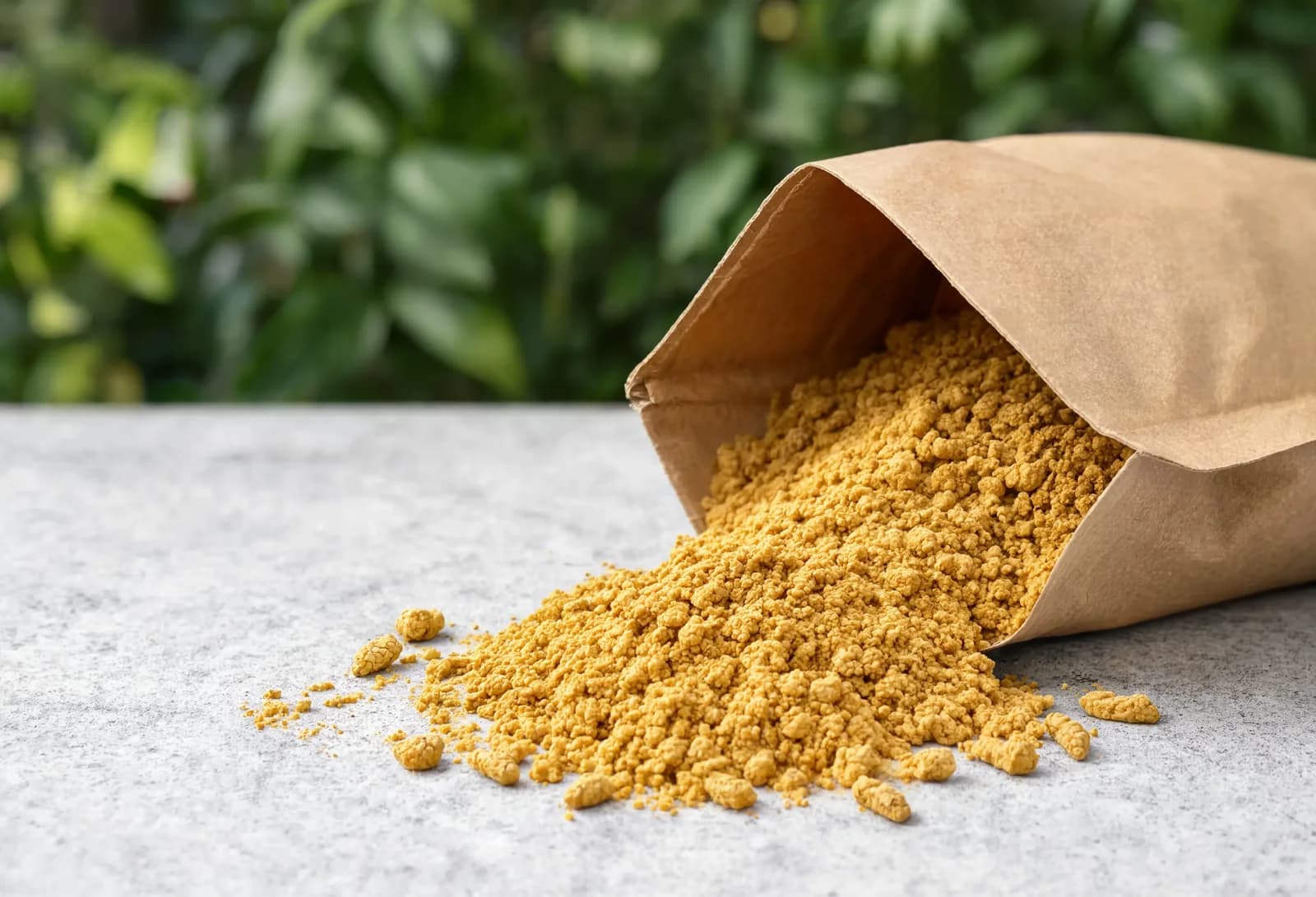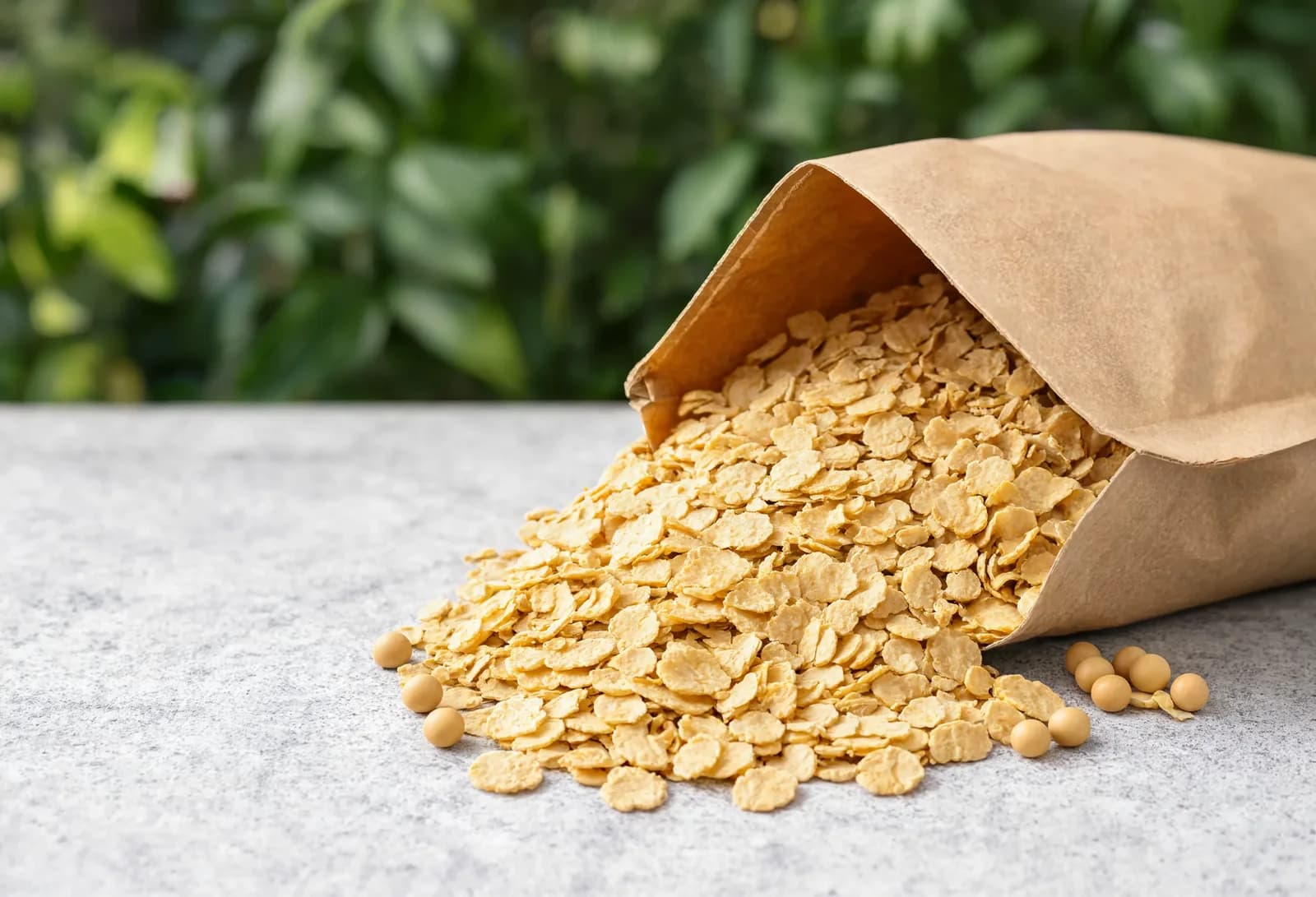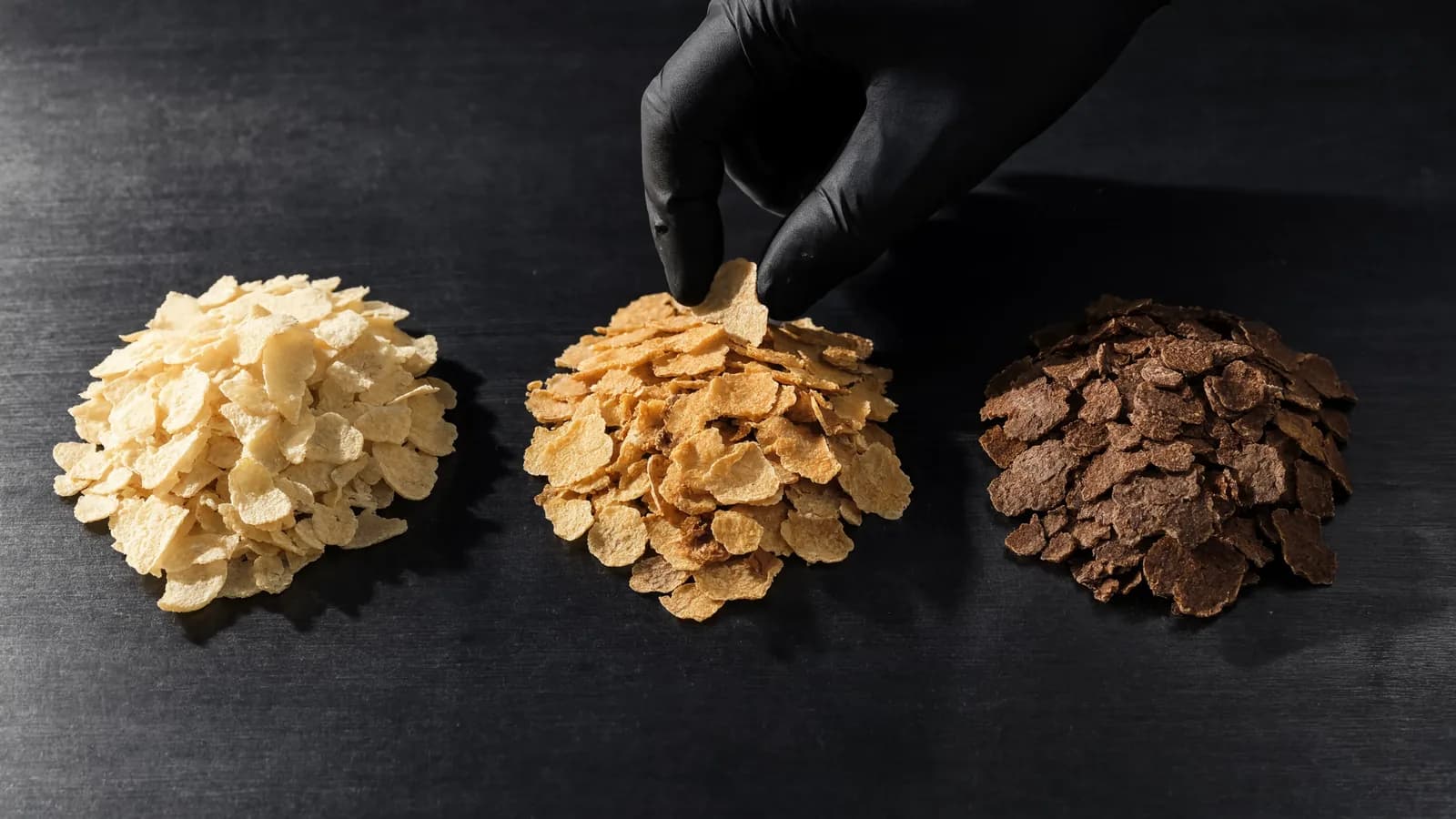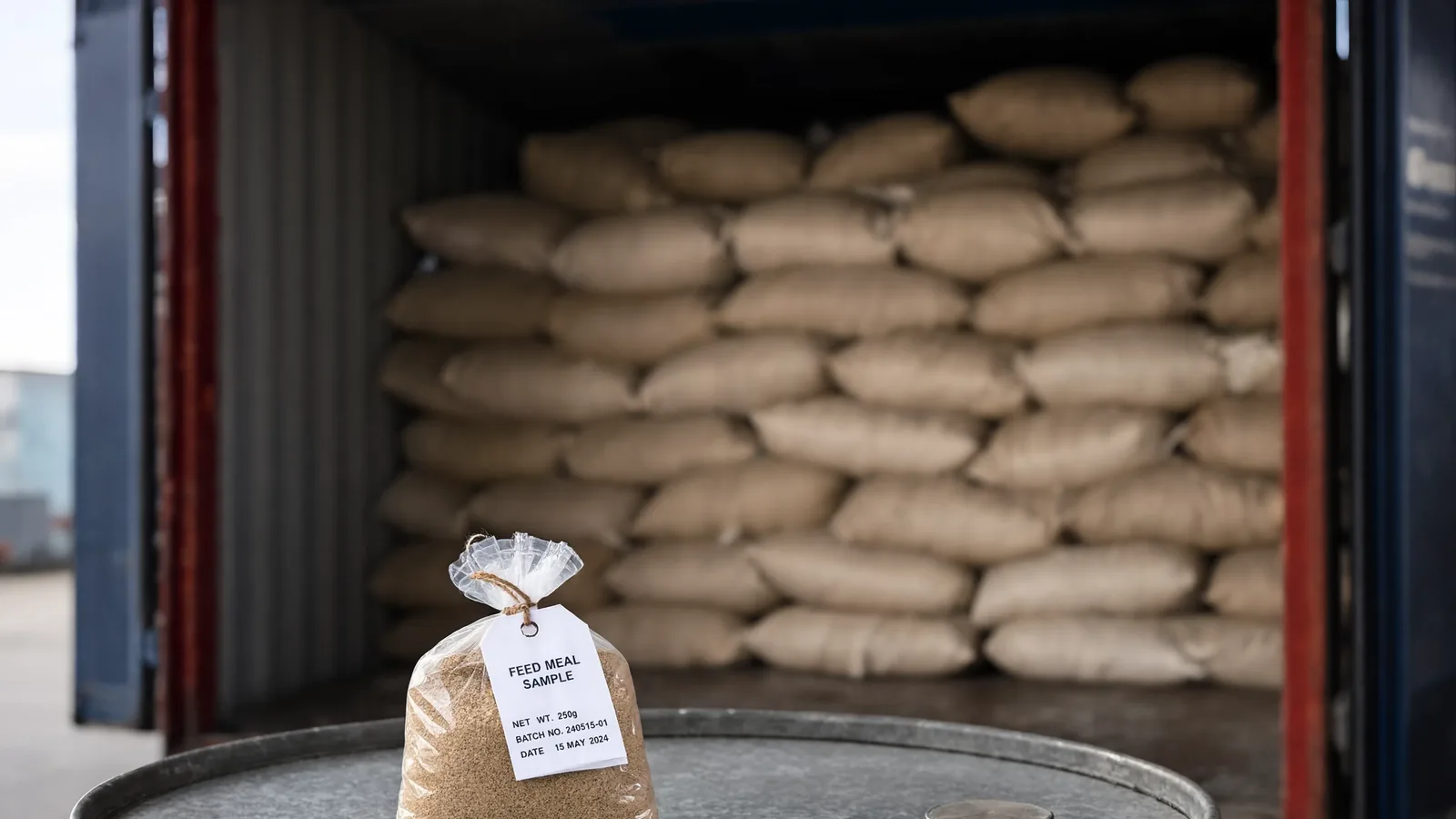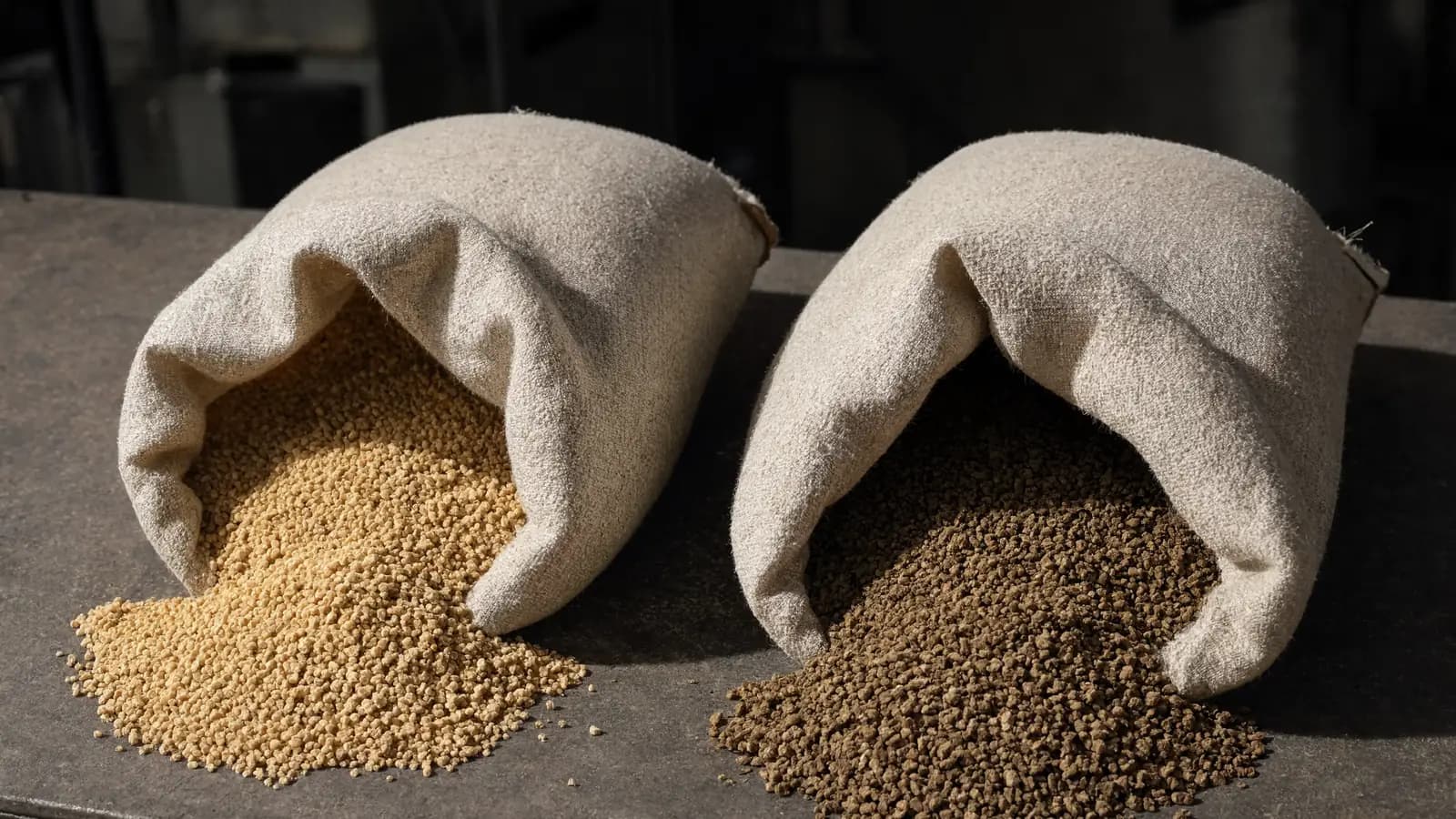
Soybean meal is the most traded protein ingredient on earth, and it is also one of the most compromised. It carries a set of compounds that soybeans evolved specifically to make themselves hard to digest, and standard solvent extraction removes only some of them. Fermented soybean meal — FSBM — is an attempt to finish the job biologically: put the meal through controlled microbial fermentation, let the cultures break down what heat alone cannot, and ship a protein that young animals handle better.
That is the pitch, and it is broadly supported by the literature. It is also the part of the story most often oversold. FSBM is not a category with a fixed specification — it is a process, and the quality of the product depends almost entirely on how that process was run. Two bags labelled "fermented soybean meal" from two suppliers can differ more from each other than one of them differs from plain soybean meal. This guide is written for the buyer who has to tell them apart.
What fermentation actually does to the meal
Solid-state fermentation inoculates moistened soybean meal with selected cultures — typically Bacillus subtilis, Lactobacillus species, Aspergillus oryzae, or a defined combination — and holds it under controlled temperature, moisture and time. The microbes secrete proteases and other enzymes and go to work on the substrate. Three things change, and it is worth being precise about each.
1. Large proteins are cut into smaller ones
Microbial proteases hydrolyse intact soy proteins into soluble protein, peptides and free amino acids. This is the change most suppliers put on the front of the datasheet, usually as a rise in trichloroacetic-acid-soluble protein (TCA-soluble protein) or a claimed peptide fraction. The nutritional logic is sound: a young animal with an immature digestive tract has to do less enzymatic work on a protein that has already been partly broken down. The logic is strongest exactly where the gut is least developed — broiler starters, calf starters, weaned piglets, shrimp and fish fry.
2. Anti-nutritional factors come down
Soybeans contain trypsin inhibitor, which blocks the very enzyme the animal needs to digest protein; glycinin and β-conglycinin, storage proteins that provoke an immune and inflammatory response in young guts; and stachyose and raffinose, oligosaccharides that monogastric animals cannot digest and that instead ferment in the hindgut and cause loose droppings. Heat processing handles trypsin inhibitor reasonably well. It does considerably less for the allergenic storage proteins and nothing useful for the oligosaccharides. Fermentation is aimed squarely at that gap.
3. The microbes leave things behind
Depending on the culture, fermentation also deposits organic acids — mostly lactic acid — plus microbial biomass and, in some processes, residual enzyme activity. Lactic acid lowers the pH of the material, which is a real and measurable effect and part of why well-made FSBM stores well. Claims that go further than this — that the product functions as a probiotic, that it colonises the gut, that it replaces an acidifier — are claims about a specific product, not about the category, and they need that specific product's own trial data behind them.
FSBM versus standard soybean meal: the honest comparison
FSBM costs more per tonne than the 46% solvent-extracted meal it is made from. That premium has to be earned somewhere, and it is not earned in every ration. The table below is the shape of the difference, not a specification — actual figures belong on the COA of the batch in front of you.
| Attribute | Standard SBM 46% | Well-made FSBM |
|---|---|---|
| Crude protein | ~46% | Typically higher — partly because fermentation consumes carbohydrate, which concentrates what remains |
| Soluble protein / peptides | Low | Substantially raised — the headline claim, verify it per batch |
| Trypsin inhibitor | Low if properly toasted | Lower again |
| Glycinin & β-conglycinin | Largely present | Markedly reduced — the change heat alone cannot deliver |
| Stachyose & raffinose | Present | Reduced — relevant to litter and droppings quality |
| Cost per tonne | Benchmark | Premium — must be justified by inclusion, not by the label |
| Where it pays | Grower & finisher, adult ruminants | Starters, fry, weaning, partial fishmeal replacement |
Read the last row twice. Putting FSBM into a broiler finisher diet is, in most cases, paying a starter-grade premium for a bird whose gut is fully capable of digesting ordinary soybean meal. The value of FSBM is concentrated at the front of the animal's life, and the further you get from that window the harder the arithmetic becomes.
Where FSBM earns its premium
Broiler and layer starters
The first two weeks are where a broiler's gut is least equipped and where the flock's uniformity is decided. This is the clearest use case, and the one with the most published support. Typical trial inclusion sits around 30–60 kg per tonne of starter feed, replacing an equivalent protein contribution from soybean meal or a portion of the fishmeal. Reformulate on digestible amino acids, not on crude protein — swapping tonne-for-tonne on a crude protein basis will quietly change the lysine and methionine your birds actually absorb.
Calf starters
A pre-weaned calf is functionally a monogastric animal — the rumen is not yet doing the work. That makes soy anti-nutritional factors a genuine problem and makes the calf one of the better arguments for FSBM. Trial inclusion commonly runs 50–100 kg per tonne of starter. In Gulf dairy operations, where replacement heifers are expensive and heat stress already pushes calf morbidity up, the case is stronger than the raw feed cost suggests.
Fish and shrimp — partial fishmeal replacement
This is where the economics are most interesting right now. Fishmeal is expensive, its supply is volatile, and every aquaculture operation in the region is looking for defensible ways to use less of it. FSBM is one of the more credible plant-protein candidates, precisely because fermentation addresses the anti-nutritional factors that limit how much raw soy a shrimp or a fry can tolerate. Trial work typically replaces on the order of 10–20% of fishmeal protein. Be conservative, replace in steps, and watch growth and survival rather than the feed invoice.
Dairy TMR
The weakest case of the four, and worth saying plainly. A functioning rumen already degrades soy protein and neutralises most anti-nutritional factors on its own — that is what a rumen is for. FSBM in a lactating TMR is not wrong, but the premium is much harder to defend than in a starter, and any argument for it needs to rest on rumen-undegradable protein and your own herd's response, not on the fermented label.
Reading the COA: five numbers that matter
If you take one thing from this article, take this list. A supplier who cannot produce these numbers, per batch, on request, is not selling you a specified product — they are selling you a word.
- Soluble protein or peptide fraction. This is the entire premise of fermentation. If it is not measured, the fermentation is not verified. Ask which method was used — TCA-soluble protein and "peptide %" are not the same measurement and are not comparable across suppliers.
- Trypsin inhibitor activity (TIA). Should be low. If it is high, the incoming meal was under-toasted and fermentation did not rescue it.
- Glycinin and β-conglycinin. The measurement that actually distinguishes fermented meal from well-toasted ordinary meal. Many suppliers skip it. Do not let them.
- pH and moisture. Low pH is the signature of a lactic fermentation that ran. Moisture governs shelf life — and in a Dubai warehouse in August, moisture is not a footnote.
- Microbial and mycotoxin panel. Fermentation is a deliberate microbial process; that makes verifying which microbes ended up in the bag more important, not less. Aflatoxin B1 in particular is a hard limit at GCC import inspection, not a nice-to-have.
Buying FSBM into the Gulf: what changes
Everything above is true anywhere. These next points are specific to sourcing into the UAE, Saudi Arabia, Oman, Kuwait, Qatar and Bahrain, and they are the ones most often learned the expensive way.
- Heat and humidity are a storage problem, not a shipping problem. A product that arrived at Jebel Ali in specification can drift in a non-climate-controlled warehouse over a Gulf summer. Buy on delivered moisture, store on pallets away from walls, and rotate genuinely rather than nominally.
- Import documentation is decided before the container sails. Health certificates, origin declarations and the mycotoxin panel need to match the destination authority's current requirements — MOCCAE in the UAE, and the relevant national authority elsewhere in the GCC. A batch that is nutritionally excellent and documentarily wrong sits at the port.
- Halal status is a live question for a fermented product. Fermentation involves microbial cultures and a growth substrate, and buyers in this market are entitled to ask what they were. Get the answer in writing before the first order, not after a customer asks you.
- Lead times punish single-sourcing. The GCC imports the overwhelming majority of its feed protein. A supplier who can hold regional stock, or who manufactures closer to you, is worth a real premium the first time a shipment slips.
How to run a trial that tells you something
Most on-farm FSBM trials fail to produce a usable answer, and almost always for the same reasons. Change one thing. Reformulate the complete diet on digestible amino acids and metabolisable energy so that the FSBM arm and the control arm are nutritionally equivalent — otherwise you are testing formulation, not ingredient. Keep a genuine control group in the same house, same week, same flock. Run it long enough to cross the window where the effect is supposed to appear: for a broiler starter that means measuring at day 10 and day 14, not only at slaughter, because an early-life effect can be entirely real and entirely invisible in a final liveweight.
And measure the things the ingredient is supposed to move. Uniformity of the flock, litter condition and early mortality are where a starter-stage protein change shows up first. Feed conversion over the whole cycle is a blunt instrument for a two-week intervention.
Frequently asked questions
Is fermented soybean meal a direct replacement for fishmeal?
No — it is a partial replacement, and the distinction matters. Trial work generally supports replacing on the order of 10–20% of fishmeal protein in fish and shrimp diets, with the diet reformulated on digestible amino acids. Fishmeal also supplies marine lipids, a distinct amino acid profile and palatability that FSBM does not reproduce. Treat it as a way to reduce fishmeal dependence, not eliminate it.
Does FSBM need to be declared differently on the feed label?
It is a distinct ingredient from soybean meal and should be declared as fermented soybean meal, with the batch COA on file. Labelling and import requirements differ across GCC states and are updated periodically — confirm the current requirement with the destination authority for each shipment rather than relying on what applied last year.
How long does FSBM keep in a Gulf warehouse?
It depends far more on delivered moisture and storage conditions than on a printed date. Low moisture and low pH both work in your favour. What kills shelf life here is a hot, humid, non-climate-controlled warehouse — the same conditions that make the Gulf summer hard on every feed ingredient in the shed. Ask the supplier for their stability data at the storage temperature you actually have, not the one the datasheet assumes.
Can I use FSBM in a lactating dairy ration?
You can, but it is the hardest place to justify the premium. A functioning rumen already handles soy anti-nutritional factors, which removes most of the mechanism FSBM is bought for. If you want to use it there, build the case on rumen-undegradable protein supply and your own herd's measured response — not on the fermentation itself.
The bottom line
FSBM is a real ingredient with a real mechanism, sold in a market where the label does more work than the specification. Buy it where the animal's gut is immature enough for the mechanism to matter — starters, calves, fry, shrimp — reformulate properly on digestible amino acids, and insist on a batch COA that measures the thing you are paying for. Do that and it is one of the more defensible premiums in the feed protein aisle. Skip it and you are buying a word.
Sourcing this, or trialling it?
We trade animal and bird nutrition from Dubai, in direct contact with the manufacturers behind every product, with a certificate of analysis on every batch. Tell us the specification you need and we will tell you honestly whether we are the right supplier for it.